Divorce vs. Dissolution of Marriage in Ohio: What Every Clermont County Resident Needs to Know From a Divorce Attorney
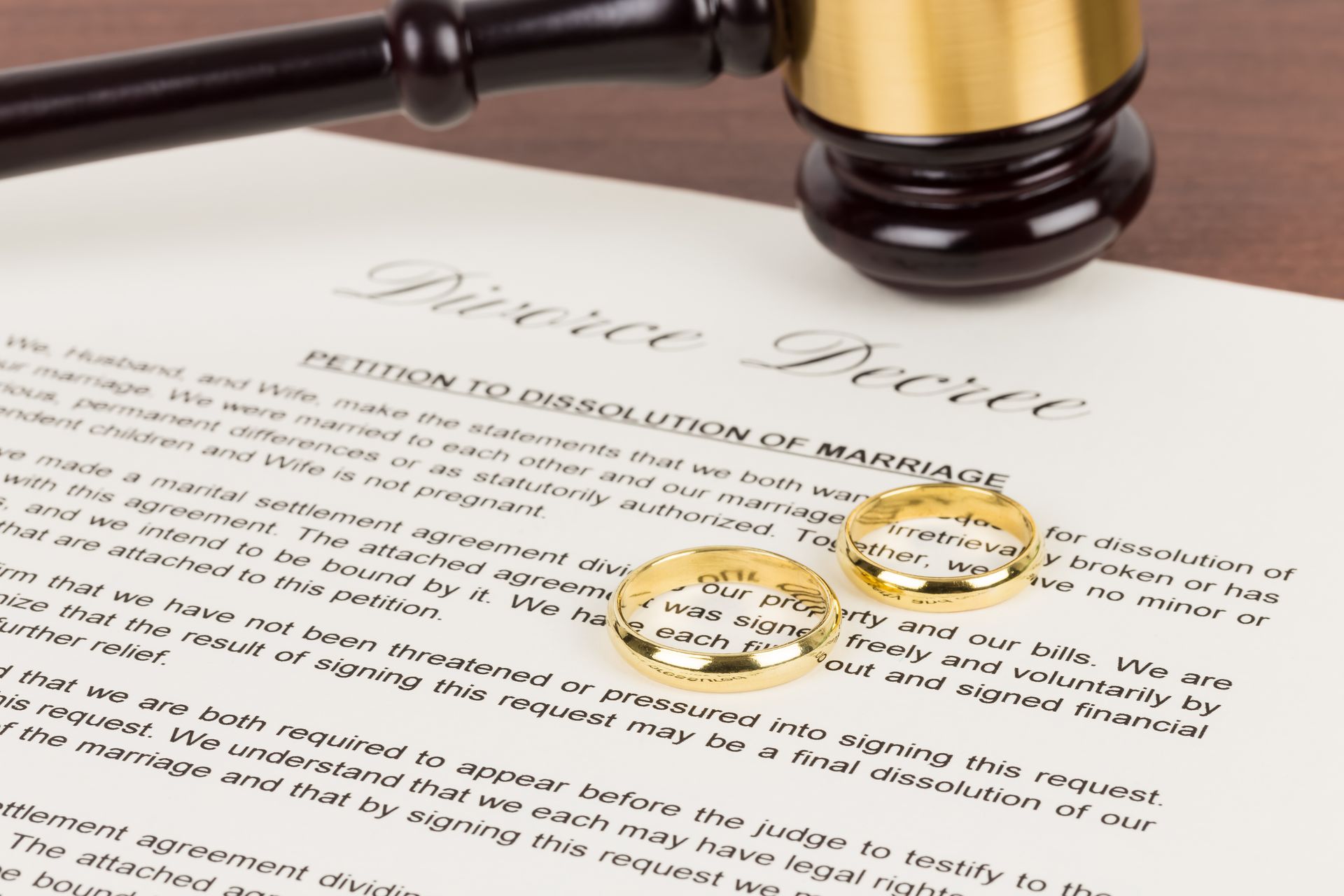
Ohio law gives married couples two distinct legal paths to end a marriage, and understanding the difference can significantly affect how long the process takes and what you may need to prove in court. A skilled Divorce Attorney serving Clermont County, OH, can help you identify which path fits your situation before you file a single document.
Divorce vs. Dissolution: Two Different Paths Under Ohio Law
Ohio is one of the few states where "divorce" and "dissolution of marriage" are not the same thing. Ohio law treats them as two separate legal processes with different rules, timelines, and requirements. Knowing the distinction upfront can save you time, money, and stress.
What Is a Dissolution of Marriage in Ohio?
Dissolution is the mutual-agreement path. Both spouses must fully agree on every issue before filing anything with the court. That includes the division of property and debts, spousal support, child custody, and child support if children are involved. Once both spouses sign a joint petition and separation agreement, the Clermont County Court of Common Pleas schedules a hearing. Under Ohio Revised Code § 3105.64, the court must hold that hearing no sooner than 30 days and no later than 90 days after filing. Both spouses appear before a judge, confirm the agreement is voluntary, and the marriage is dissolved at that hearing.
Because there is no contested litigation, no discovery, and typically no trial, dissolution can move through the court more quickly and with less conflict than a divorce.
What Is a Divorce in Ohio?
Divorce is the path used when spouses cannot agree on everything, or when one spouse wants to end the marriage and the other does not. The filing spouse must provide legal grounds under Ohio Revised Code § 3105.01. The most commonly used no-fault ground is incompatibility, meaning the marriage has irretrievably broken down. If a spouse denies incompatibility, the filing spouse may need to rely on an alternative ground, such as living separate and apart for at least one year. Fault-based grounds include adultery, extreme cruelty, gross neglect of duty, and habitual drunkenness, among others.
In a divorce, a judge decides any issue the parties cannot resolve themselves. A contested divorce may last anywhere from several months to well over a year depending on case complexity. Consulting a Divorce Attorney early helps you understand your rights before taking any formal steps.
Key Differences at a Glance
These are the main factors to compare side by side.
- Agreement required: Dissolution requires full agreement before filing; divorce does not.
- Grounds: Dissolution requires no grounds; divorce requires at least one legal ground.
- Timeline: Dissolution typically completes within 30 to 90 days of filing; divorce can take four months to a year or more.
- Court involvement: Dissolution involves one hearing; divorce may involve multiple hearings or trial.
- Cost: Because dissolution eliminates litigation and discovery, legal fees are generally lower; a contested divorce typically involves more attorney time.
Residency Requirements for Clermont County Filers
For a divorce, the filing spouse must have lived in Ohio for at least six months and in the county where they file for at least 90 days immediately before filing. For dissolution, at least one spouse must be an Ohio resident for six months before the petition is filed. Residents of Batavia, Milford, Loveland, Amelia, and other Clermont County communities should confirm these requirements are met before beginning. Filing in the wrong county can result in a case transfer or dismissal. A knowledgeable Divorce Attorney can confirm you are filing in the correct jurisdiction.
Which Option Should You Choose?
Dissolution may be the better fit if you and your spouse can communicate calmly, have reached agreement on all major issues, and want to resolve things efficiently. It can also be a more amicable option when children are involved, as it avoids the adversarial dynamic of contested litigation.
Divorce is typically appropriate when spouses fundamentally disagree on property division, spousal support, or custody, or when one spouse is unresponsive or refuses to participate. It may also be necessary when domestic violence or financial misconduct is a factor. In those situations, a dissolution is not advisable, and divorce gives the court authority to make decisions and issue protective orders.
Keep in mind that a pending dissolution can be converted into a divorce if spouses stop agreeing partway through the process. That conversion resets timelines, so be realistic about whether full agreement is achievable before choosing dissolution.
What Issues Must Be Resolved in Either Case?
Whether you pursue divorce or dissolution, the same core issues must ultimately be addressed.
- Division of marital property, including the family home and retirement accounts.
- Allocation of marital debts.
- Spousal support, if applicable.
- Parental rights and responsibilities, including a parenting plan if minor children are involved.
- Child support calculations under Ohio guidelines.
Get Guidance from a Clermont County Divorce Attorney
Both paths involve legal paperwork, court appearances, and enforceable agreements that affect your finances and family for years to come. Montgomery Law Office, LLC serves families throughout Clermont County, OH, and offers a free initial consultation so you can explore your options without obligation. Call (513) 732-2900
<Link to call> to speak with an experienced Divorce Attorney about your situation, or
contact us online to schedule a time that works for you.